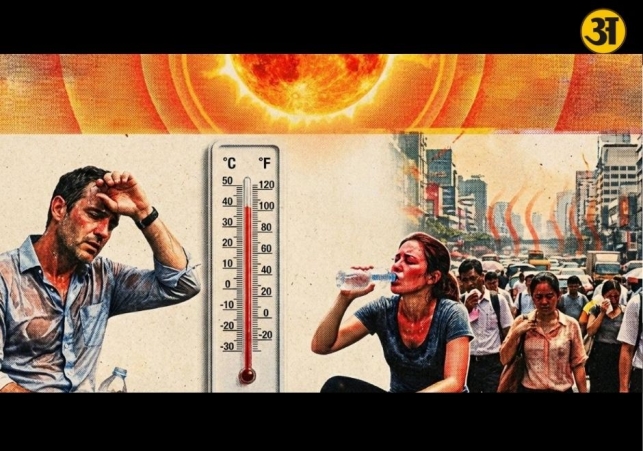
Extreme heat can silently affect your body
Can extreme heat quietly damage your body? Here’s what happens above 40°C
Many parts of north and central India are currently facing very high temperatures. In several cities, temperatures have crossed 40°C and in some places are reaching close to 45°C. While most people think heatwaves only cause sweating and discomfort, doctors and researchers warn that extreme heat can quietly harm the body in serious ways.
When temperatures become very high, the body has to work much harder to stay cool. If this heat continues for too long, it can begin affecting organs, blood circulation and even the brain. Health experts say people should not ignore the risks of extreme heat, especially during long heatwaves.
The human body usually keeps its internal temperature balanced through sweating and blood circulation. When the weather becomes very hot, the body cools itself by sweating and moving more blood toward the skin.
But during very high temperatures, especially above 40°C, the body may struggle to control heat properly.
Research suggests that when the body overheats, it can begin facing stress at a cellular level. Cells inside the body may stop functioning normally, which can affect several organs.
Doctors explain that heat can quietly put pressure on the heart, kidneys and brain. The body may appear normal from the outside at first, but internally it may already be struggling.
Experts say this becomes even more dangerous when heat combines with dehydration.
When people sweat too much without replacing fluids, the body loses water and important minerals. This can disturb normal body functions and increase health risks.
Older adults, children and people with existing illnesses are considered more vulnerable during heatwaves.
Doctors also warn that people with heart disease, lung disease, kidney problems or high blood pressure may face greater risk during extreme heat.
People who take medicines like blood pressure tablets, sedatives or water pills may also become more sensitive to heat.
One major reason heat becomes dangerous is because the heart has to work harder.
When the body tries to cool down, more blood moves toward the skin. This forces the heart to pump faster and harder to maintain blood circulation.
In some cases, the heart may need to pump almost double the normal amount of blood to cool the body.
For healthy people, this extra work may only cause tiredness. But for someone already dealing with heart problems, the pressure can become risky.
Experts say heat may increase the chances of heart problems, irregular heartbeat or stroke in some people.
Dehydration also becomes a major problem during heatwaves.
When the body loses too much water, people may feel weak, dizzy, tired or confused. Severe dehydration can affect kidney function and make the body unable to cool itself properly.
Doctors say people should never ignore symptoms such as headache, weakness or feeling faint during extreme heat.
ALSO READ: Why overthinking gets worse after midnight, according to experts
ALSO READ: Vaping, smoking and chewing tobacco are harming more than just the lungs, doctors warn
How to protect yourself during a heatwave
Health experts and the World Health Organization (WHO) recommend several simple ways to stay safe during heatwaves.
One of the most important things is keeping the body cool.
People are advised to stay indoors during the hottest hours of the day whenever possible. Afternoon heat is often the strongest and may increase the risk of illness.
Homes should be kept as cool as possible.
Opening windows early in the morning or at night may help cool rooms when outside temperatures are lower.
During daytime, curtains or blinds should remain closed, especially if direct sunlight enters the house.
Many people use electric fans, but experts warn that fans alone may not be enough once temperatures rise above 35°C.
Cool showers, wet towels or cold water on the skin may help lower body temperature.
Wearing loose and light cotton clothes is also recommended during summer.
Tight or heavy clothing traps heat and makes the body feel hotter.
Drinking water regularly is extremely important.
Experts advise people to drink fluids even if they do not feel thirsty.
Water helps the body cool itself and replaces fluids lost through sweat.
People should avoid too much caffeine, alcohol or sugary drinks because they may increase dehydration.
Doctors also suggest eating lighter meals instead of heavy foods.
Smaller meals are easier for the body to digest during hot weather.
If outdoor work or exercise cannot be avoided, experts recommend doing it during cooler hours such as early morning.
Taking frequent breaks in shade or cooler places is also important.
Public places with air conditioning, such as shopping malls or libraries, may provide relief during dangerous heat.
Experts say even spending a few hours in cooler indoor places may help protect health during heatwaves.
Warning signs you should not ignore
Heat-related illness can sometimes begin quietly but become dangerous very fast.
Doctors say early symptoms often include dizziness, headache, tiredness, nausea, weakness or unusual sweating.
Some people may also feel anxious, restless or confused.
These symptoms should be treated seriously.
Anyone experiencing such problems should move to a cooler place immediately, rest and drink water or fluids.
Cooling the body quickly may prevent the condition from becoming worse.
However, some signs may point toward a medical emergency.
Hot, dry skin, confusion, fainting, unconsciousness or strange behaviour may suggest severe heatstroke.
Convulsions, difficulty responding or loss of awareness should never be ignored.
Doctors say emergency medical help should be called immediately in such situations.
If someone appears to be suffering from severe heatstroke, they should be moved to a cooler place and laid down.
Cold cloths or ice packs may be placed around the neck, underarms or groin to help cool the body.
Experts also warn against forcing food or drinks into an unconscious person.
Family members should pay extra attention to elderly relatives, children and sick people during heatwaves.
People living alone may struggle silently without asking for help.
Simple check-ins, phone calls or visits may make a big difference.
As temperatures continue rising, experts say awareness and simple daily habits can save lives.
Drinking enough water, staying cool and recognising warning signs early may help people avoid serious health problems during extreme heat.
Related News